Why Conceptual Understanding Beats Formula Memorization in AP Chemistry
Helping a student use the idea when the question changes


In this article
When knowing the equation is not enough
A student may remember the formula and still be unsure which one belongs in a test question. More memorization may not resolve that difficulty. They need to understand what the quantities represent, how they relate and when the relationship applies.
That is a useful distinction for a family whose student has usually done well but is finding AP Chemistry unexpectedly difficult. The next step may be to slow down one explanation, identify an earlier gap or practice using an idea in a different form.
Ask what the equation is saying
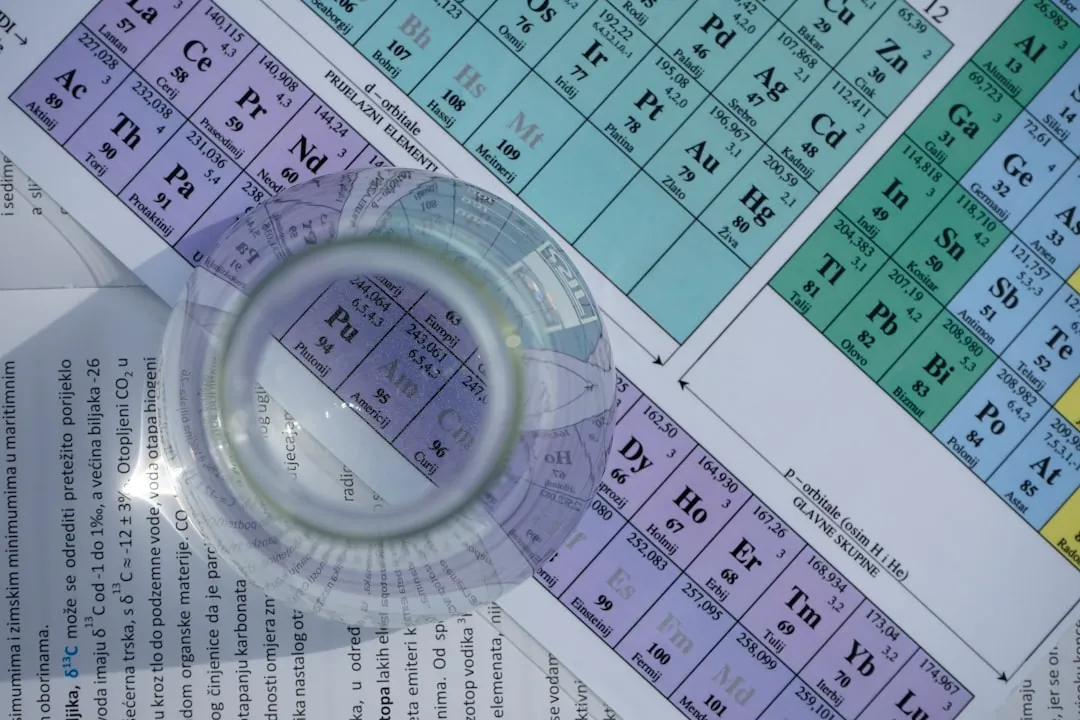
Before substituting numbers, ask the student to identify each quantity and its units. What is given? What must be found? Why does this equation connect them?
If the student cannot explain the setup, use the class materials or an educator’s explanation to revisit it. The purpose is to find the missing connection, rather than ask the student to defend an answer they do not yet understand.
Connect a calculation to the chemistry
Consider an illustrative titration problem. To calculate the concentration of an unknown acid, the student needs to interpret the balanced reaction and its mole ratio. A remembered shortcut can fail if the reaction has a different ratio from the example they practiced. See the OpenStax explanation of quantitative chemical analysis.
An explanation should connect the measured volume and concentration to moles, then use the reaction’s ratio to relate the substances. The numerical steps make more sense once the student can say what is being counted and why.
Check whether the idea transfers

After working through one example, try a related question with a meaningful change. Ask the student to explain what changes in the setup and what stays the same. Let them attempt it before returning to the worked solution.
This can reveal several different needs. They may understand the chemistry but lose track of units. They may calculate accurately but choose the wrong relationship. Or they may need to revisit an earlier concept. A useful lesson responds to the actual gap.
These are teaching examples, not a student case or a prediction of an exam result.
A parent’s role can stay small
You do not need to relearn AP Chemistry to support your student. You can ask them to identify the point where the work stops making sense and help them bring that question to a teacher or tutor.
If explaining at home regularly leads to tension, it may be more useful for another adult to take the teaching role. The parent can stay informed about what the student is practicing without leading every problem.
A few questions can help you evaluate tutoring:
- Can the educator explain the concept in more than one way?
- Do they ask the student to explain the reasoning?
- Does the student try a related problem independently?
- Can the educator describe what still needs practice?
Work toward the next test and the next course
A stronger grade is an important goal. So is being able to use the underlying idea when the test, lab or next course asks a different question. That is why a good session includes explanation, practice and a check of the student’s own understanding.
If your student needs help finding the gap, explore science tutoring or book a free assessment. We can discuss the course, what has been difficult and a possible educator match.
Updated October 26, 2026. Educational information for families. The right support depends on the individual student.