Active Recall: The Study Method That Actually Works
Why re-reading your notes is wasting your time, and what to do instead


The Studying Myth Almost Every Student Believes
Here's something I see constantly when I start working with a new student: they open their textbook, read through the chapter, maybe highlight a few sentences in yellow, then close the book and call it "studying."
I get it. It feels productive. The material looks familiar when you re-read it. Your highlights make you feel like you've identified what matters. But here's the problem - familiarity is not the same as knowledge.
When I was at Stanford studying cognitive science, one of the most striking things I learned was how poorly our intuitions about learning match the actual research. We think we know how to study because we've been doing it for years. But the methods most students default to - re-reading, highlighting, copying notes - are among the least effective strategies for long-term retention.
The method that consistently outperforms everything else? Active recall.
What Active Recall Actually Is
Active recall is exactly what it sounds like: actively trying to retrieve information from memory rather than passively reviewing it. Instead of reading your notes about the French Revolution, you close your notes and ask yourself, "What were the main causes of the French Revolution?" Then you try to answer from memory.
That's it. That's the core of the technique.
It sounds almost too simple, but decades of cognitive science research back it up. A landmark study by Karpicke and Blunt published in Science found that students who practiced retrieval significantly outperformed students who used other study strategies - including concept mapping, which many educators consider an "active" learning method.
The reason active recall works comes down to how memory functions. Every time you successfully retrieve a piece of information, you strengthen the neural pathway to that memory. Re-reading doesn't create that same strengthening effect because your brain isn't doing the work of retrieval - it's just recognizing something it's seen before.
Think of it like exercise. Reading your notes is like watching someone else do push-ups. Active recall is doing the push-ups yourself.
Why Most Students Resist It
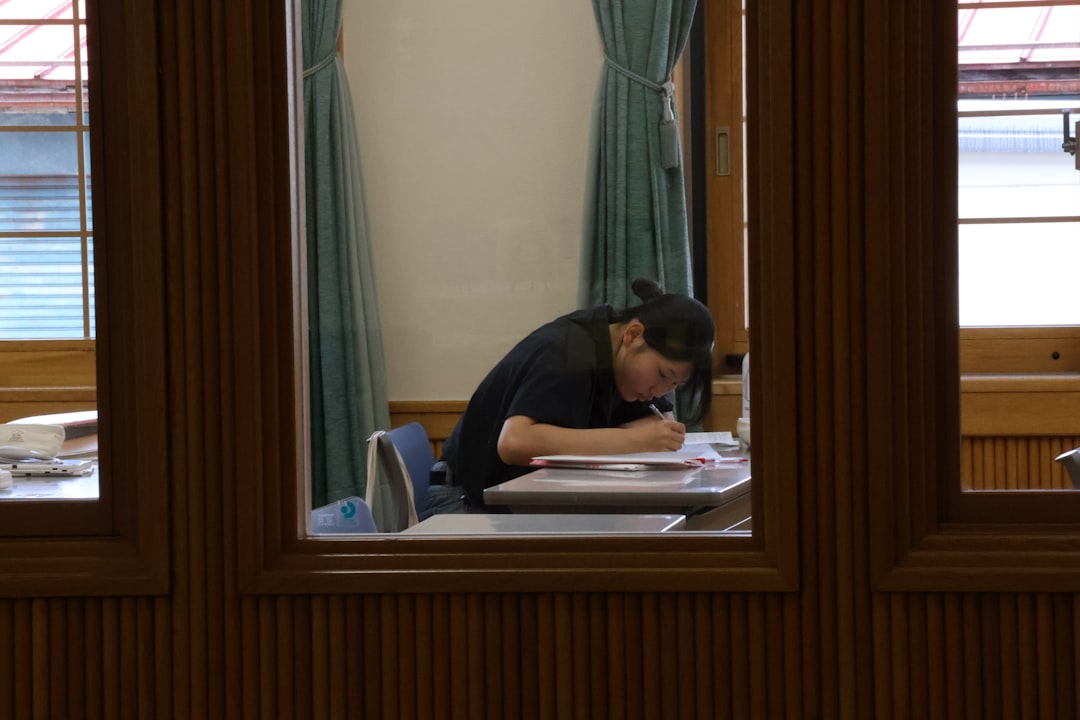
I'll be honest - when I first introduce active recall to students, there's usually some resistance. And I understand why.
It feels harder. That's because it is harder. Trying to pull information from your brain without looking at your notes is uncomfortable. You realize how much you don't actually know, which can feel discouraging.
It feels slower. In the time it takes to quiz yourself on one chapter, you could have "read" three chapters. It feels like you're covering less ground.
It feels less productive. There's no satisfying stack of highlighted pages or color-coded notes to show for your effort.
But this is actually the point. The difficulty is what makes it work. Cognitive scientists call this concept desirable difficulty - the idea that learning strategies that feel harder in the moment lead to stronger, more durable learning. The struggle to retrieve information is the mechanism that builds memory.
I tell my students: if studying feels easy, you're probably not learning much. If it feels a bit uncomfortable, you're on the right track.
How to Start Using Active Recall Today
You don't need special tools or a complete overhaul of your study routine. Here are practical ways to incorporate active recall starting with your next study session.
1. The Blank Page Method
After a class or after reading a chapter, close everything. Take out a blank piece of paper and write down everything you can remember. Don't worry about organization - just dump everything from your brain onto the page.
When you're done, open your notes and compare. What did you miss? What did you get wrong? Those gaps are exactly what you need to focus on next.
This works especially well right after class, when the material is fresh. I recommend my students spend five minutes doing this before they even leave the classroom.
2. Flashcards (Done Right)
Flashcards are one of the oldest study tools for a reason - they're built around active recall. But there's a right way and a wrong way to use them.
The wrong way: Flip the card, read the answer, think "yeah I knew that," move on.
The right way: Read the question, genuinely try to answer it before flipping. If you get it right, it goes in one pile. If you get it wrong, it goes in another. Spend more time on the ones you got wrong.
Digital flashcard apps like Anki are excellent because they use algorithms to schedule your reviews, which brings us to the next piece of the puzzle.
3. Practice Questions Before You Feel "Ready"
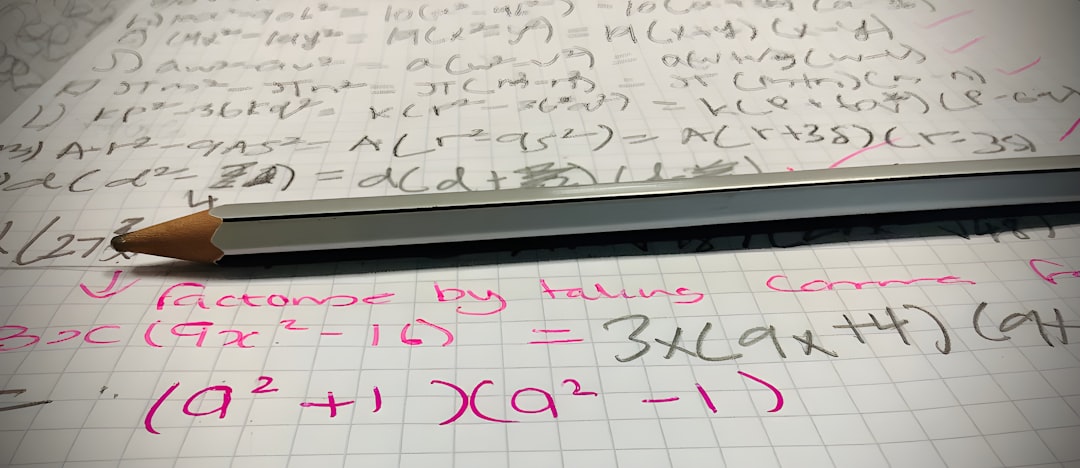
Most students want to review all their notes before attempting practice problems. Flip that order. Try the practice problems first, even if you think you'll get them wrong. The act of struggling with the question - and then looking up the answer - creates much stronger memory traces than reviewing first.
This is especially effective for math and science courses, where problem-solving is the primary skill being tested.
4. Teach It to Someone
One of the most powerful forms of active recall is explaining a concept to someone else - a classmate, a sibling, even an imaginary audience. When you try to explain something, you quickly discover where your understanding is solid and where it breaks down.
I often ask my students to teach me concepts they've just learned. It's remarkable how consistently this reveals gaps that weren't apparent when they were just reading their notes.
Pairing Active Recall with Spaced Repetition
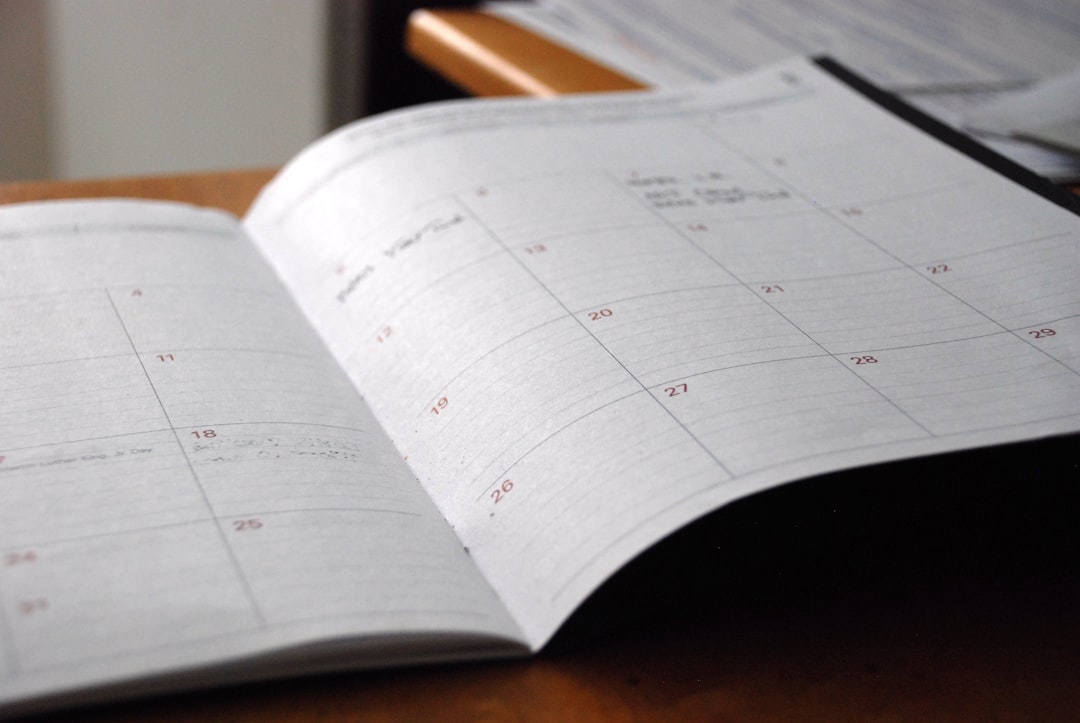
Active recall on its own is powerful. But when you combine it with spaced repetition, you get something even more effective.
Spaced repetition is the practice of reviewing material at increasing intervals over time. Instead of cramming everything the night before a test, you spread your recall practice over days and weeks.
Here's a simple schedule that works well:
- Day 1: Learn the material, do your first active recall session
- Day 3: Second recall session
- Day 7: Third recall session
- Day 14: Fourth recall session
- Day 30: Final review
Each session doesn't need to be long. Even 10-15 minutes of focused recall practice is enough. The key is consistency over time.
The science behind this is well-established. Ebbinghaus documented the "forgetting curve" back in 1885, showing that memory decays exponentially over time unless it's reinforced. Spaced repetition is designed to catch each memory just as it starts to fade, strengthening it at the optimal moment.
What This Looks Like in Practice
Let me give you a real example. I worked with a sophomore in Palo Alto who was struggling in AP Biology. She was spending two to three hours a night re-reading the textbook and still getting Cs on her exams.
We changed one thing: we replaced her re-reading sessions with 30-minute active recall sessions three times per week. She'd close her textbook, write down everything she remembered about the current unit, then check herself against her notes. On weekends, she'd quiz herself on material from previous units using spaced repetition.
Within six weeks, her exam scores jumped from the low 70s to the high 80s - and she was actually spending less total time studying. The difference wasn't effort. It was method.
Making It Stick: Building the Habit
The biggest challenge with active recall isn't understanding it - it's making it a habit. Here's what I recommend:
- Start small. Don't try to overhaul your entire study routine overnight. Pick one class and use active recall for that class for two weeks. Once it feels natural, expand to other subjects.
- Use a timer. Set a 20-minute timer for your recall sessions. Knowing there's an endpoint makes the discomfort more manageable.
- Track your gaps. Keep a running list of concepts you struggled to recall. This becomes your priority review list and helps you study more efficiently.
- Be honest with yourself. The temptation to peek at your notes mid-recall is real. Resist it. The whole point is to experience the struggle of retrieval.
The Bigger Picture
What I love about active recall is that it's not just a study hack - it teaches students something fundamental about learning itself. It shows them that real understanding requires effort, that being wrong is part of the process, and that the quality of your studying matters far more than the quantity.
These are lessons that go well beyond any single exam or class. They're the kinds of skills that make the difference in college and beyond.
If your student is putting in the hours but not seeing results, it might not be a motivation problem or a content problem. It might simply be a method problem. And that's a very fixable thing.
At Plato+, helping students learn how to learn is one of the most rewarding parts of what we do. If you'd like to talk through how we might help your student build stronger study habits, I'm always happy to have that conversation - no pressure, no commitment. You can book a free assessment anytime.