How to Approach SAT Prep Without the Burnout
A realistic strategy for better scores and less stress

The SAT Prep Trap
I talk to a lot of parents in the Bay Area who are stressed about SAT prep before their student has even taken the PSAT. There's this pervasive anxiety - fueled by college admissions culture and well-meaning friends - that if you don't start early enough, study hard enough, or hire the right test prep company, your student is going to fall behind.
I want to offer a different perspective. One based on what I've seen actually work across the hundreds of students I've worked with, not on what the test prep industry wants you to believe.
The truth is: SAT prep doesn't have to be miserable, marathon-length, or wallet-draining to be effective. But it does have to be strategic.
When to Actually Start
The most common question I get from parents is, "When should my student start preparing for the SAT?" And the most common answer I give is, "Later than you think."
For most students, beginning focused SAT prep 8 to 12 weeks before their target test date is plenty of time. That usually means starting in the summer before junior year for a fall SAT, or in January for a spring sitting.
Starting earlier isn't necessarily better. Students who begin six or nine months in advance often burn out well before test day. Their practice scores plateau, motivation drops, and by the time the actual exam arrives, they're running on fumes.
There are exceptions. If a student has significant foundational gaps in math or reading comprehension, addressing those earlier - not through SAT-specific prep, but through genuine skill building - can make a real difference. But that's different from drilling SAT practice tests for months on end.
How Much Time Per Week

Here's a rough framework that works for most students:
- Weeks 1-4: 3 to 4 hours per week (learning test structure, identifying weaknesses)
- Weeks 5-8: 4 to 6 hours per week (targeted practice on weak areas, timed sections)
- Weeks 9-12: 5 to 7 hours per week (full practice tests, review, refinement)
That's it. We're not talking about 20-hour weeks or giving up weekends. A focused, well-structured prep schedule of around 5 hours per week will outperform 15 hours of unfocused grinding almost every time.
The key word there is focused. Five hours of intentional, targeted practice is worth more than fifteen hours of passively working through a prep book cover to cover.
Start with a Diagnostic - Not a Prep Book
Before your student opens a single prep book or watches a single strategy video, they should take a full-length, timed practice test under realistic conditions. The College Board provides free official practice tests, and these are by far the best diagnostic tool available.
Why? Because the SAT isn't a single test - it's a collection of distinct question types, each testing specific skills. A student who struggles with evidence-based reading questions has a completely different prep plan than one who struggles with no-calculator math.
Once you have diagnostic scores broken down by section and question type, you can build a prep plan that targets what actually needs improvement instead of wasting time on areas where the student is already strong.
I've seen students gain 100+ points simply by identifying their two or three weakest question types and focusing their practice time there.
Section Strategy: Where to Focus
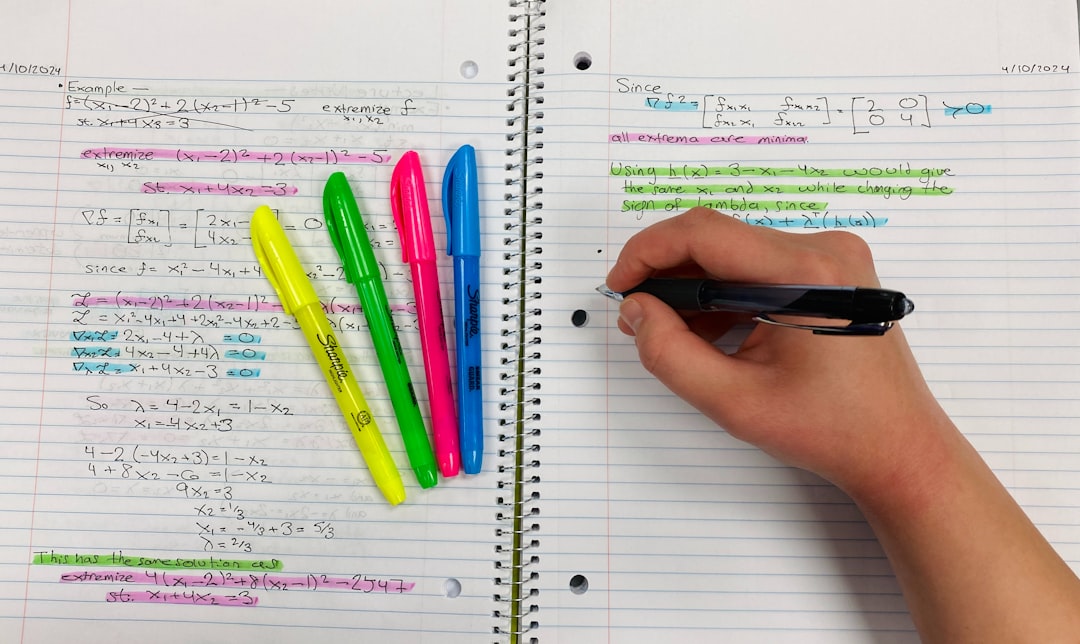
Every student's profile is different, but here are some general principles I use when helping students prioritize.
Math
The SAT math section is, in many ways, the most improvable. The content is finite and well-defined - it covers algebra, problem-solving, data analysis, advanced math, and a bit of geometry. If a student has solid algebra skills, the math section is very learnable.
Common areas where students lose points:
- Word problems (translating English into equations)
- Systems of equations
- Quadratic functions and their properties
- Data interpretation and statistics
For students who are strong in math but careless, the biggest gains come from practicing under timed conditions and building a habit of checking work on easy and medium questions. Most points are lost not on hard questions but on avoidable mistakes on questions the student actually knows how to solve.
Reading and Writing
The reading section is harder to improve quickly because it tests comprehension skills built over years. But there are absolutely strategies that help.
The biggest one: read the questions before the passage. This sounds counterintuitive, but knowing what you're looking for makes your reading faster and more focused. You're not reading for general understanding - you're reading to answer specific questions.
For the writing and language section, the gains come from learning the handful of grammar rules the SAT tests repeatedly. Subject-verb agreement, comma usage, pronoun clarity, parallelism, and conciseness cover the vast majority of questions.
The Practice Test Trap
Here's a mistake I see frequently: students take practice test after practice test without spending meaningful time reviewing their errors.
Taking a practice test takes about three hours. Properly reviewing it - understanding why you got each question wrong, identifying patterns in your mistakes, and practicing similar questions - should take at least another hour or two.
If your student is taking two practice tests per week but spending zero time on review, they're mostly practicing being wrong. The review is where the learning happens.
A better rhythm looks like this:
- Take one full practice test every 2-3 weeks
- Spend the days after each test thoroughly reviewing every wrong answer
- Categorize mistakes (content gap, careless error, time pressure, misread question)
- Do targeted practice on the content areas that showed up most in the review
- Repeat
This cycle of test, review, target, practice is far more effective than a steady diet of test after test.
When Test-Optional Might Be the Right Call
I want to mention something that might seem unusual coming from someone who does test prep: not every student needs to take the SAT.
Many competitive colleges are now permanently test-optional. For some students - particularly those who are strong in coursework and extracurriculars but who don't perform well in timed, standardized testing environments - going test-optional can be a legitimate strategic choice.
This doesn't mean avoiding the test because it's hard. It means making an informed decision based on whether a strong SAT score will genuinely strengthen the application or whether the student's time would be better spent on other things.
I'm happy to have this conversation honestly with any family. Sometimes the best test prep advice is "you might not need to prioritize this."
Avoiding Burnout

Burnout is the real enemy of SAT prep, and it's more common than underpreparation in the communities I work with here in Silicon Valley. A few things that help:
- Protect non-study time. SAT prep should not come at the expense of sleep, exercise, or activities your student loves. A well-rested, balanced student performs better on test day than an exhausted one who did 50 extra practice problems.
- Set a score goal range, not a single number. Aiming for "around 1400-1450" is healthier than fixating on "I need a 1500." The SAT has a margin of error built in - scores can fluctuate by 30-40 points between sittings regardless of preparation.
- Plan to take it twice. Most students improve on their second sitting simply from having the experience of the real test environment. Knowing you have a second chance takes some pressure off the first attempt.
- Keep perspective. The SAT is one data point in a holistic application. It matters, but it's not destiny. I've seen students get into outstanding schools with scores that were "below the range" because the rest of their application was compelling.
Building a Plan That Works
The best SAT prep plan is one your student will actually follow through on. That means it has to be realistic, targeted, and sustainable.
If you're not sure where to start, a diagnostic practice test is always the right first step. From there, you can make informed decisions about how much prep is needed, what to focus on, and whether outside help would be valuable.
At Plato+, our SAT tutoring is built around this diagnostic-first approach. We don't believe in one-size-fits-all programs or endless homework packets. We figure out exactly where your student can gain the most points and focus there. If that sounds like what you're looking for, reach out for a free assessment - I'd be glad to talk through your student's situation.